
Prime Minister Narendra Modi lauded Indian students for their exceptional performance at the International Biology and Chemistry Olympiads, where they secured multiple medals, including Gold. Modi highlighted the global impact of India's youth and expressed pride in their scientific achievements, hoping to inspire more young minds.

Scientists at CSIR-CCMB have decoded the molecular mechanisms behind how plants use 'sticky' protein droplets to trap and disable invading viruses, potentially leading to more resilient crops and new treatments for human diseases like dementia.
A new study by CSIR-CCMB researchers has elucidated the molecular mechanisms by which viral infections, particularly RNA viruses like Influenza and COVID-19, can accelerate the formation of amyloid clumps in the brain, a hallmark of neurodegenerative diseases such as Parkinson's. The research highlights the role of viral RNA G-quadruplexes and the cellular protective protein DDX39A in this process.
Indegene has been announced as the inaugural industry partner for the India-UK Life Science Corridor, a collaborative initiative between the Centre for Cellular and Molecular Platforms (C-CAMP) and Imperial College London. This partnership aims to foster cross-border innovation, knowledge exchange, and talent development in critical areas like digital health and antimicrobial resistance, leveraging Indegene's expertise in life sciences.
Researchers at IIT-Kanpur have identified a molecular pathway where immune cells in the pancreas rapidly suppress insulin release, offering a new target for therapies to protect insulin production in individuals with obesity and Type-2 diabetes. The study found that macrophages use sphingolipids to switch off beta cell insulin secretion within minutes, a process triggered by the GPR18 receptor.

Researchers have discovered a method to externally manipulate a cell's automatic waste clearance process, known as autophagy. This breakthrough, involving the protein LC3, could offer new therapeutic targets for diseases like cancer and Parkinson's, where cellular cleansing mechanisms are often impaired.

Scientists from the Zoological Survey of India (ZSI) have identified a new species of electric ray, named Tetronarce Ramanamurthy, in the deep waters of the southeastern Arabian Sea. This discovery, part of the Deep Ocean Mission, marks the first confirmed record of the genus Tetronarce in the northern Indian Ocean and highlights India's rich deep-sea biodiversity.

'Peter Hegemann was so kind that a paper published in 2010 in Nature Method which mentioned optogenetic as a tool of the year, he wrote, 'My graduate student Suneel Katariya was the one who identified gene in coding channelrhodoxin and that was the turning point of my research'.'
A new study by scientists at the Rajiv Gandhi Centre for Biotechnology (RGCB) in Thiruvananthapuram has revealed an unexpected mechanism by which pneumolysin, a toxin from the pneumonia-causing bacterium 'Streptococcus pneumoniae', spreads to adjacent cells. The research indicates that a cellular defence mechanism, intended to repair damage, inadvertently helps repackage the toxin into membrane-bound vesicles, extending its harmful effects.
Researchers have for the first time directly visualised how two DNA molecules, despite their identical negative charges, zip together. This breakthrough, achieved using high-powered atomic force microscopy and advanced simulations, confirms the 'DNA zipper' model, revealing that positively charged metal ions act as molecular bridges to facilitate this crucial biological process. The discovery has significant implications for understanding genetic recombination, gene silencing, chromosome packaging, cancer development, and future biotechnology.

Quantum computing is set to redefine artificial intelligence, cybersecurity, and scientific discovery, promising unprecedented speeds and capabilities while also necessitating urgent development of quantum-safe security measures and strategic enterprise readiness, says Sunil Varghese.
A new study from The Rockefeller University reveals that short, intense sprints significantly alter a quarter of measured plasma proteins, far more than moderate exercise. These protein changes are linked to a lower risk of cardiovascular and metabolic diseases, including obesity and type 2 diabetes, and even slower biological aging. The findings suggest that high-intensity exercise triggers profound molecular adaptations crucial for health.

Union Minister Jitendra Singh inaugurated a new biotechnology facility and dedicated a national facility for recombinant cells and sensors at the Rajiv Gandhi Centre for Biotechnology in Thiruvananthapuram, highlighting India's focus on biotechnology and its potential for economic growth.

Healthy muscles do much more than enable movement. They are essential for maintaining metabolism, regulating blood sugar levels and supporting overall health.
Scientists have detected erythrulose, a sugar found on Earth, in the interstellar medium, marking the first direct discovery of sugar in space. This finding, published in Nature Astronomy, suggests that complex, biologically important molecules can form in space and may have contributed to the chemical ingredients necessary for early metabolic and replication processes on Earth, offering new insights into the origins of life.
Researchers at Delhi's Indraprastha Institute of Information Technology have developed 'MutAIverse', a generative AI platform designed to decode DNA damage and identify potential causes of cancer. Tested on head and neck cancer patients in Guwahati, the platform successfully traced exposure to smokeless tobacco as a contributing factor. This innovation aims to shift focus from just diagnosis to understanding causative factors, potentially aiding in prevention and protection.
Yuvaraja's College (Autonomous) in Mysore invites applications from eligible candidates to the 5-year Integrated MSc course in Molecular Biology.
Manipal Institute of Regenerative Medicine (MIRM) of Manipal University has launched a short term course on Application of Flow Cytometry and Molecular Biology Techniques in Stem Cell Biology and Regenerative Medicine.

A new study has identified two distinct subtypes of autism, one with increased communication associated with immune-related systems and another with reduced connectivity linked to synaptic pathways. The findings, published in Nature Neuroscience, pave the way for more precise and personalised autism care and support.

Usha, 40, and Vance, 41, who met while attending Yale Law School, have three kids -- Ewan, 8, Vivek, 5, and Mirabel, 4.
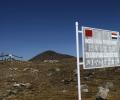
A rare yellow puffball mushroom, provisionally identified as Bovista colorata, has been documented in Arunachal Pradesh's Longding district by the ICAR-Krishi Vigyan Kendra. This discovery highlights the state's rich biodiversity and the ecological importance of such fungi.
A new MoU between the Centre for Cellular and Molecular Platforms (C-CAMP) and Imperial College London has paved the way for deepening India-UK ties in the life sciences sector.

US Vice President JD Vance has strongly criticized commentators for making derogatory remarks about his Indian-origin wife, Usha Vance, following racist comments from a right-wing podcaster.
A new study has identified a region in the brainstem, the structure connecting the brain to the spinal cord, that plays a crucial role in cognitive flexibility and the ability to adapt to changing conditions. Researchers found that the 'locus coeruleus' in the brainstem is central to how the brain switches between behavioural rules, impacting disorders like ADHD, depression, and OCD.
Who have been India's Laureates, winners from India or of Indian-origin?

He has been conferred knighthood "for services to molecular biology" in the New Year Honours List 2012, according to an official announcement in London.

From tackling visa woes to admission counselling, rediffGURU Dr Karan Gupta helps you choose the right course and country to study abroad.
Saha Institute of Nuclear Physics, Kolkata invites applications for MSc/Junior Research Fellowship programme in Biophysical Sciences.

They were asked to wait for 72 hours, but the deadline passed on Sunday and the wait seems endless.
The Jawaharlal Nehru Centre for Advanced Scientific Research invites applications for various doctorate and reasearch programmes.
The University of East Anglia, Norwich, UK, is offering 30 scholarships for Indian scholars.
What is the difference between the GMAT and the GRE? QS topgradschool.com looks at these two tests, graduate schools perceptions of them, the preparation behind them and how to get a good score.
Enough anthrax vaccine to inoculate everyone in the US could be grown inexpensively and safely with only one acre of tobacco plants.

The American Association of Indian Scientists in Cancer Research at its 15th annual meeting at the Lion's Club in San Diego, California, presented the Lifetime Achievement Award to Dr Inder Verma, senior professor at the Salk Institute for Biological Sciences in San Diego, California, and the American Cancer Society professor of molecular biology.
Uttam RajBhandary, the Lester Wolfe Professor of Molecular Biology and Associate Head of the Department of Biology at MIT, knew Dr Har Gobind Khorana for close to half a century. Many consider him the late Nobel Laureate's closest friend and colleague. He spoke to India Abroad.
Department of Biotechnology offers post-graduate students the chance to train with the top Biotech companies in India.

Applications are invited from young scientists for the 2011 GE & Science Prize for Young Life Scientists. Established in 1995, the prize recognizes outstanding young scientists from around the world who have completed their PhDs in the area of molecular biology during 2010.

When his former colleagues at the University of Utah came to know early on Wednesday that Venkatraman Ramakrishnan had won the Nobel Prize in chemistry, they celebrated by dancing on the streets."We were dancing in the streets," said Jeannine Marlow, wife of Dana Carroll, professor and former chair of biochemistry at the University of Utah, where Ramakrishnan's prize-winning work began between 1995 and 1999.
